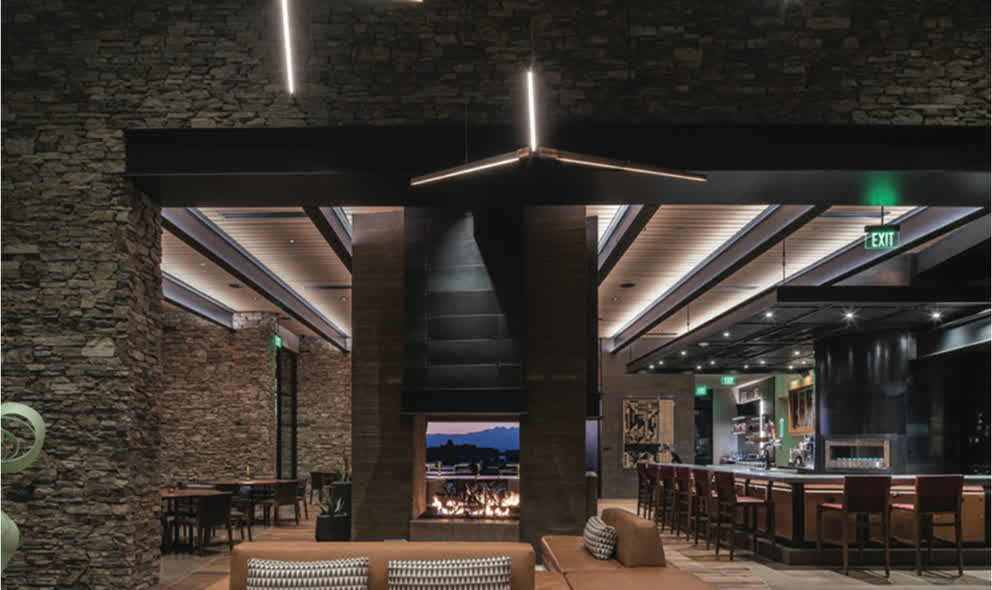
We find ourselves at a compelling juncture in architectural design, a moment where the very soul of community
spaces calls for a profound reimagining. The traditional clubhouse, once defined by rigid divisions and
predetermined experiences, is gracefully yielding to something richer: the deconstructed clubhouse. This isn’t
simply an evolution of form; it’s a fundamental rethinking of how the built environment can foster deeper human
connection….
THE COURTYARD
Our place to share, inform, and muse
TRENDING POSTS
The Deconstructed Clubhouse: Reimagining the heart of community through architectural vision
We find ourselves at a compelling juncture in architectural design, a moment where the very soul of community
spaces calls for a profound reimagining. The traditional clubhouse, once defined by rigid divisions and
predetermined experiences, is gracefully yielding to something richer: the deconstructed clubhouse. This isn’t
simply an evolution of form; it’s a fundamental rethinking of how the built environment can foster deeper human
connection….
The Deconstructed Clubhouse: Reimagining the heart of community through architectural vision
We find ourselves at a compelling juncture in architectural design, a moment where the very soul of community
spaces calls for a profound reimagining. The traditional clubhouse, once defined by rigid divisions and
predetermined experiences, is gracefully yielding to something richer: the deconstructed clubhouse. This isn’t
simply an evolution of form; it’s a fundamental rethinking of how the built environment can foster deeper human
connection….
The Deconstructed Clubhouse: Reimagining the heart of community through architectural vision
05/06/2025
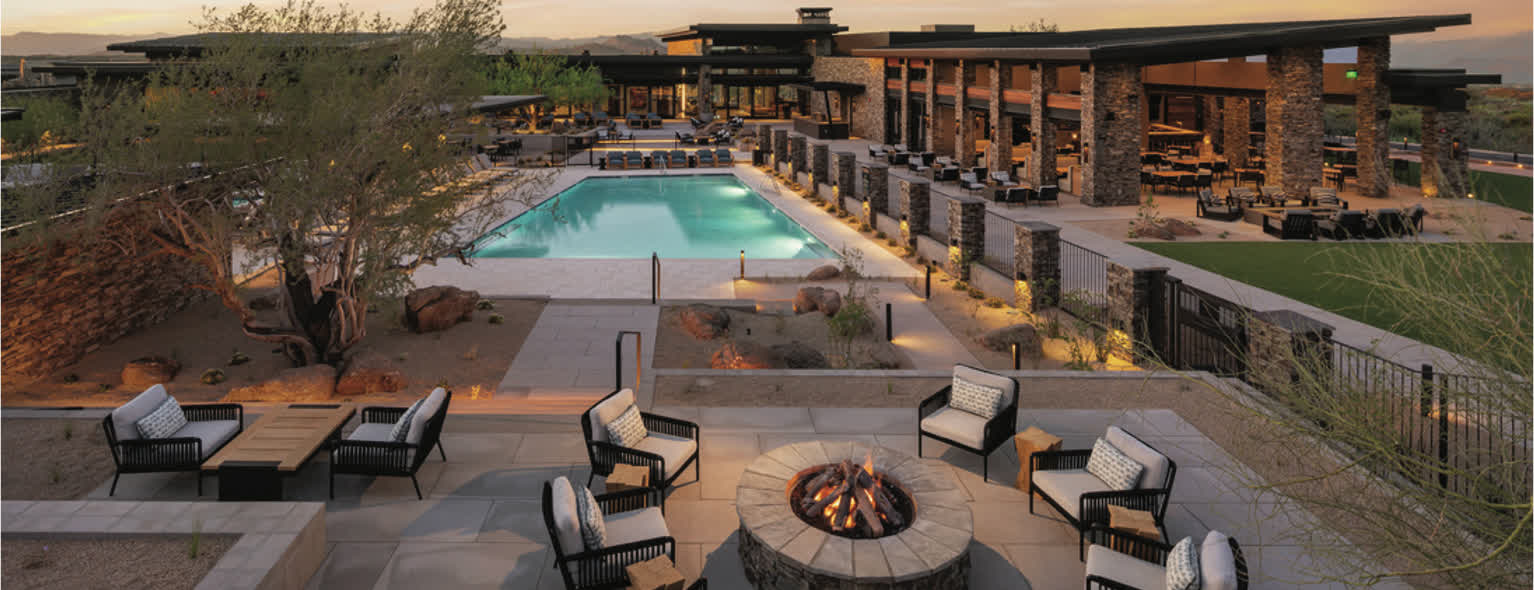
We find ourselves at a compelling juncture in architectural design, a moment where the very soul of community spaces calls for a profound reimagining. The traditional clubhouse, once defined by rigid divisions and predetermined experiences, is gracefully yielding to something richer: the deconstructed clubhouse. This isn’t simply an evolution of form; it’s a fundamental rethinking of how the built environment can foster deeper human connection.
Breaking Down Walls, Building Bridges: Architecture as a Catalyst for Connection
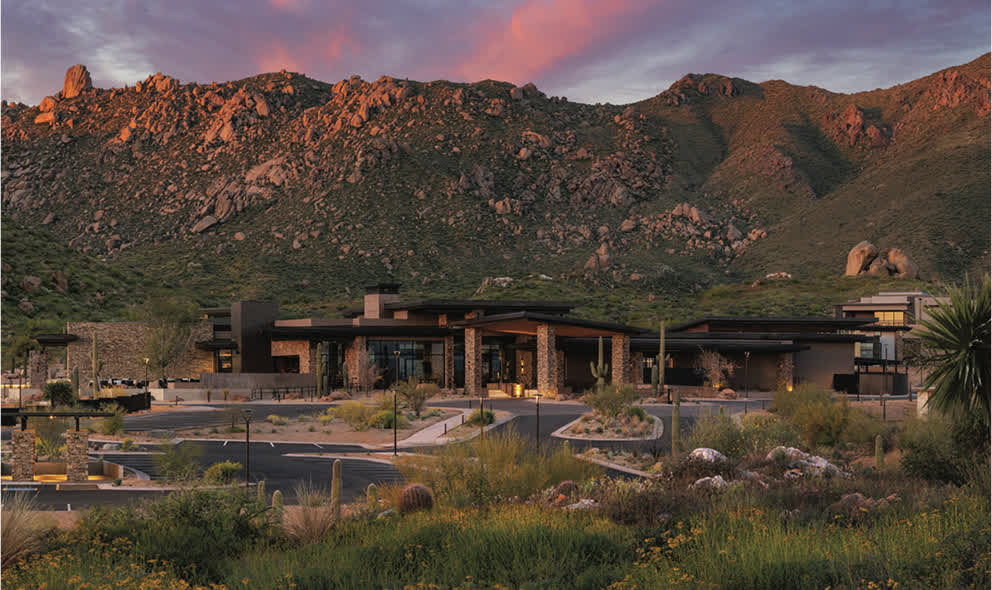
The conventional clubhouse—with its often-formal dining rooms, isolated activity zones, and grand, sometimes imposing entrances—belonged to a different era. Today, communities yearn for fluidity, authenticity, and the beauty of spontaneous interaction. At SWABACK, we champion a design philosophy that moves beyond mere physical deconstruction to embrace a true transformation of experience.
When the barriers that separate spaces are thoughtfully dissolved and replaced with seamless transitions between indoors and out, the impact on how members engage can be truly transformative. This isn’t just a theory; it’s a consistent reality we’ve witnessed when design resonates with the innate human desire to gather and connect organically.
The Architectural Language: Deconstructing with Intent
The deconstructed clubhouse takes shape through three guiding principles:
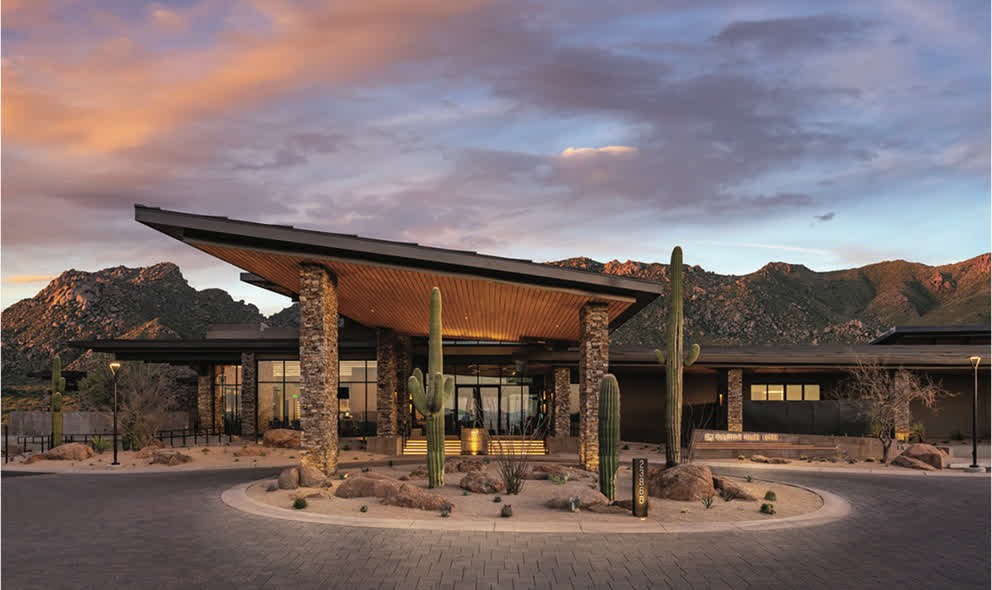
Fluid Boundaries: We intentionally blur the lines between functions, crafting dynamic environments where spaces can adapt throughout the day to embrace a variety of purposes. Retractable glass walls, adaptable partitions, and carefully considered sightlines create an experience that can effortlessly shift from intimate gatherings to expansive celebrations, as needed.
Authentic Sensory Experience: Materials possess their own inherent narratives. Rather than concealing the essential elements of construction, we celebrate them—revealing natural materials and contextual details that ground the space in a genuine sense of place. The interplay of raw, textured surfaces alongside refined finishes cultivates a vibrant atmosphere that feels both sophisticated and deeply authentic.
Adaptive Programming: A truly deconstructed clubhouse possesses the remarkable ability to evolve functionally without the need for extensive physical alterations. Thoughtful integration of adaptable furniture systems, dynamic lighting schemes, and seamlessly embedded technology allows spaces to effortlessly transform their purpose with minimal intervention, significantly extending the lifespan and enduring relevance of the investment.